Understanding how Central Texas weather affects your asphalt — and what you can do to protect your investment year after year.
If you own property in Austin, Leander, or anywhere in Central Texas, you know the sun doesn't just make things hot — it punishes outdoor surfaces. And few surfaces take more abuse than asphalt. Whether it's a residential driveway, a commercial parking lot, or an HOA road, Texas heat works against your pavement every single day.
This guide explains exactly how heat damages asphalt, what warning signs to watch for, and the proven strategies to extend your pavement's life — without replacing it prematurely.
Asphalt is designed to be flexible — that's part of what makes it a great paving material. But when surface temperatures in Central Texas climb past 140°F during July and August, asphalt can soften beyond what it's engineered to handle.
Softened asphalt becomes vulnerable. Heavy vehicles — delivery trucks, garbage trucks, or even a parked SUV sitting in the same spot day after day — can leave depressions, tire marks, and ruts. Over time, these surface deformations become permanent.
This is especially important for commercial parking lots that see consistent heavy traffic. The combination of Texas sun and vehicle weight creates a compounding effect that accelerates pavement wear.
The sun doesn't just heat asphalt — it chemically attacks it. Ultraviolet (UV) radiation breaks down the binding agents that hold asphalt together. This process, called oxidation, is why asphalt turns from rich black to dull gray over time.
Gray asphalt isn't just a cosmetic issue. Once the binders are compromised, the surface becomes brittle. Brittle asphalt cracks more easily. And once cracks form, water finds its way in — setting the stage for much more serious damage.
In Central Texas, asphalt can begin showing visible oxidation in as little as 12–18 months without protection. In milder climates, this same process often takes 3–4 years.
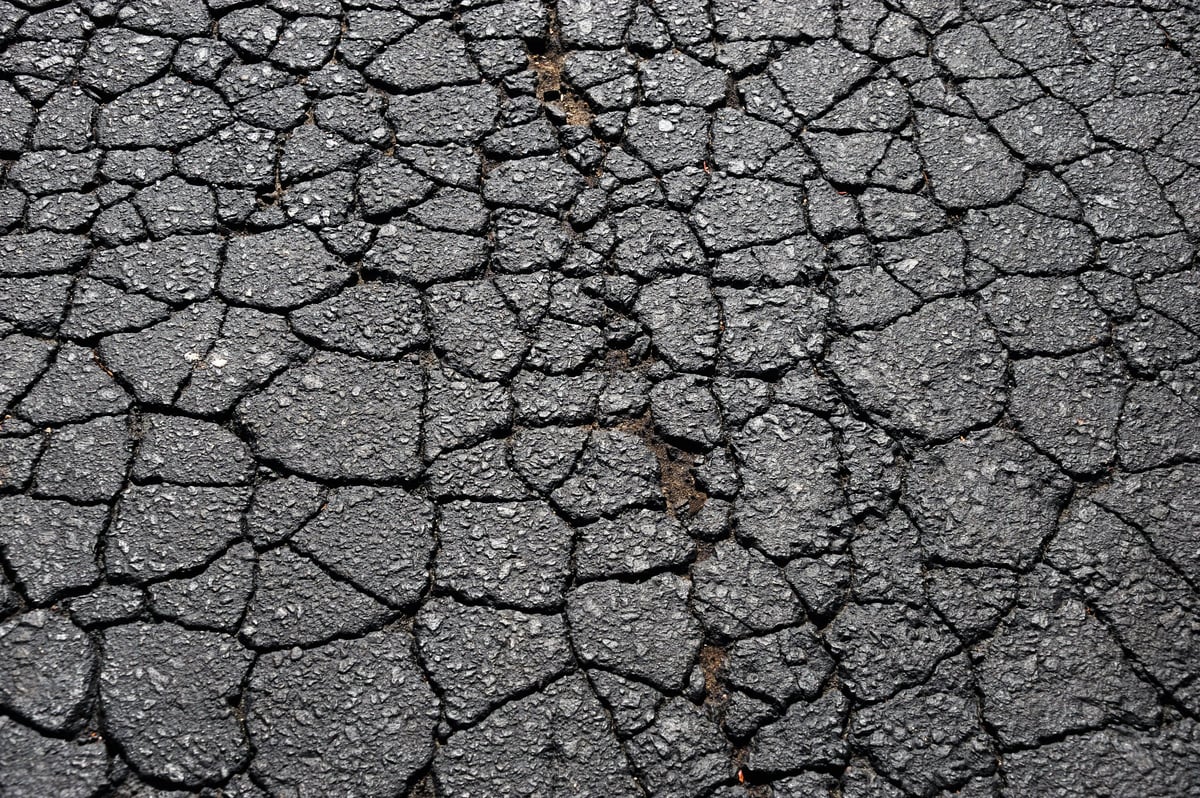
Once asphalt becomes brittle from UV exposure, the natural expansion and contraction from temperature swings — hot days followed by cooler Central Texas nights — creates stress cracks. At first, these are hairline fractures barely visible to the naked eye.
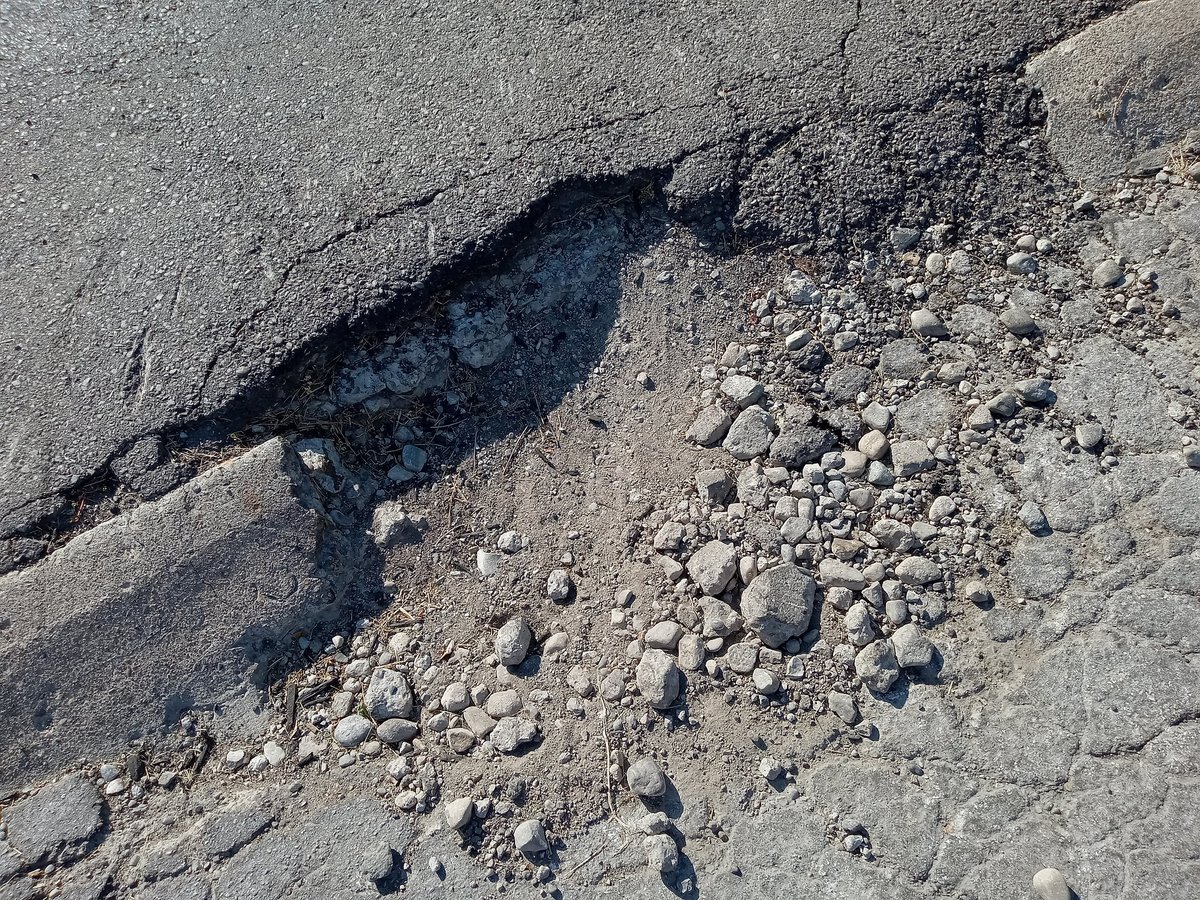
Then it rains. Water seeps into those tiny cracks and works its way down into the base layer. When the next heat wave hits, the trapped moisture expands and contracts, widening cracks and creating voids underneath the surface. This is how a hairline crack becomes a pothole within a single season.
For homeowners in Austin and Leander, this cycle is accelerated by our pattern of sudden heavy rainstorms followed by intense sun. The pavement never gets a chance to dry out slowly and recover.
A residential driveway that only sees passenger cars will degrade differently than a commercial parking lot with daily delivery truck traffic. Heavy vehicles concentrate stress on specific points — especially when turning or parked in the same position.
For property managers and HOA boards in Central Texas, this means common areas, parking lots, and shared driveways need more frequent inspection. A small crack in a high-traffic zone can become a liability risk faster than you might expect.
Sealcoating is the single most effective thing you can do to protect asphalt in Central Texas. A quality sealcoat creates a protective barrier that blocks UV rays, slows oxidation, and prevents water from penetrating the surface. For a complete deep-dive, read our comprehensive sealcoating guide for Central Texas.
In our climate, we recommend sealcoating every 2–3 years for residential driveways and every 1–2 years for commercial parking lots with heavy traffic. The relatively small investment in sealcoating routinely extends pavement life by 50% or more — often paying for itself multiple times over compared to the cost of premature replacement.
Learn more about our professional sealcoating services for both residential and commercial properties.
Not every problem requires a full replacement. Here's how to think about your options:
Repair is appropriate when damage is localized — isolated cracks, small potholes, or minor surface deterioration in specific areas. Crack filling and patching are cost-effective solutions that prevent small issues from spreading. If the majority of your pavement is still in good condition, targeted asphalt repair is the smart choice.
Resurfacing (also called an overlay) is the right call when the surface shows widespread wear — extensive cracking, fading, and minor structural issues — but the base layer is still intact. A new layer of asphalt is applied over the existing surface, effectively resetting the clock on your pavement's appearance and performance. Asphalt resurfacing typically costs 40–60% less than full replacement while delivering comparable results.
When the base has failed — evidenced by widespread sinking, alligator cracking, or drainage problems — replacement may be necessary. Our asphalt paving services can assess your situation and recommend the most cost-effective approach.
The property owners who get the most value from their asphalt are the ones who treat it like any other asset — with regular maintenance. A simple annual inspection can catch early-stage cracking before it becomes structural. Combine that with sealcoating on a regular schedule and prompt repairs when needed, and you can realistically expect 20+ years from a properly installed asphalt surface in Central Texas.
The alternative — waiting until visible damage is severe — almost always costs 3–5x more in the long run.
Answers to the questions we hear most from Central Texas property owners.
In Central Texas, we recommend sealcoating residential driveways every 2–3 years. Commercial parking lots and high-traffic areas benefit from sealcoating every 1–2 years. Our intense UV exposure and summer heat accelerate asphalt oxidation, making more frequent sealcoating essential compared to milder climates.
A properly installed and well-maintained asphalt driveway in Central Texas typically lasts 15–20 years. Commercial parking lots with heavy traffic may need resurfacing around the 10–15 year mark. The key variable is maintenance — sealcoating and prompt crack repair can add 5+ years of usable life in our climate.
The three primary causes of asphalt cracking in Central Texas are: (1) UV oxidation making the surface brittle, (2) thermal expansion and contraction from our wide day-to-night temperature swings, and (3) water intrusion that erodes the base layer from underneath. Heavy vehicles parked or turning on softened summer asphalt can also create stress cracks that widen over time.
Yes. New asphalt is particularly vulnerable during its first 6–12 months of curing. Extreme heat can cause fresh asphalt to become overly soft, making it susceptible to scuffing, tire marks, and surface deformation. This is one reason we often recommend spring or fall paving in Central Texas — moderate temperatures allow for proper curing. During the first summer after installation, avoid parking heavy vehicles in the same spot and be mindful of sharp turns on new pavement.
Absolutely. For commercial properties, sealcoating is one of the highest-ROI investments you can make in your pavement. It protects against UV damage, prevents fuel and oil stains from penetrating the surface, and maintains a professional appearance that reflects well on your business. Most commercial property managers in Austin and Leander find that regular sealcoating delays the need for full resurfacing by several years.
Contact Austin Premier Paving for a free evaluation of your driveway, parking lot, or asphalt surface. We'll assess the condition, identify potential issues, and recommend the most cost-effective solutions — with no obligation.