
If you own a home or business in Central Texas with an asphalt driveway or parking lot, you've probably heard that sealcoating is important. But what exactly is sealcoating, how often should you do it, and is it really worth the investment? This comprehensive guide answers every question Austin, Leander, Cedar Park, Georgetown, Round Rock, Pflugerville, Liberty Hill, Lakeway, Kyle, Buda, and Killeen property owners have about protecting their asphalt.
What Is Asphalt Sealcoating?
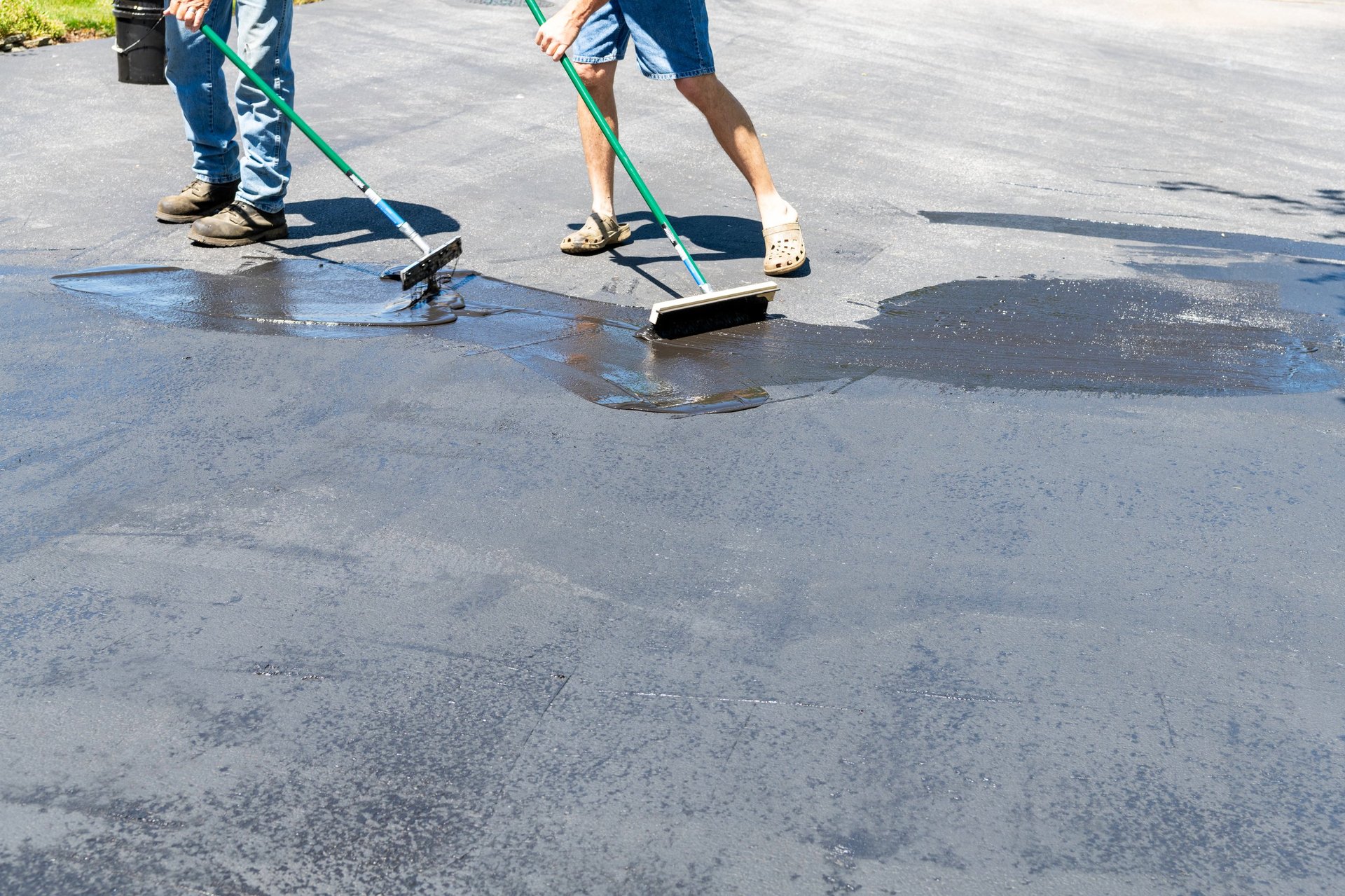
Sealcoating is the application of a protective coating to asphalt surfaces. Think of it like sunscreen for your driveway or parking lot — it creates a barrier between your asphalt and the elements that cause damage. A quality sealcoat is a bitumen-based or acrylic emulsion that bonds to the asphalt surface, filling small voids and creating a smooth, uniform black appearance.
The sealcoating material is applied as a liquid — typically via spray or squeegee — and cures into a durable protective layer. Professional sealcoating contractors in Austin and Central Texas use commercial-grade materials and equipment that far outperform the products available at home improvement stores.
Key Takeaway
Sealcoating is preventive maintenance — not a repair. It protects good asphalt from deteriorating but cannot fix already-cracked, crumbling, or failed pavement. The best time to sealcoat is while your asphalt is still in good condition.
Why Sealcoating Is Essential in Central Texas
Central Texas presents unique challenges for asphalt. Our climate accelerates pavement deterioration in ways that property owners in cooler regions don't experience. Here's what your asphalt is up against:
Intense UV Radiation
Texas sunlight breaks down the asphalt binder that holds the aggregate together. UV oxidation causes the surface to turn gray, become brittle, and eventually crack.
Extreme Heat Cycling
Asphalt expands in 100°F+ heat and contracts when temperatures drop. These thermal cycles create stress that eventually causes cracking.
Heavy Rainfall & Flash Flooding
Water is asphalt's worst enemy. It seeps into tiny cracks, erodes the base layer, and causes potholes. Spring and fall rains are particularly damaging.
Oil & Chemical Spills
Vehicle fluids dissolve asphalt binders. Gasoline, oil, and transmission fluid leaks cause soft spots and deterioration that sealcoating helps prevent.
Together, these factors mean asphalt in Leander, Cedar Park, Georgetown, and throughout Central Texas ages faster than asphalt in milder climates. Sealcoating addresses all of them by providing a protective barrier that shields the asphalt from UV rays, waterproofs the surface, and resists chemical damage.
When Should You Sealcoat?
Timing for New Asphalt
New asphalt needs time to cure before sealcoating. Wait at least 6–12 months after installation. During this period, the asphalt releases oils and undergoes natural oxidation. Sealing too early can trap these oils and cause the surface to remain soft.
Ongoing Sealcoating Schedule
For Central Texas properties, we recommend sealcoating every 2–3 years. Properties with heavier traffic — such as commercial parking lots in Round Rock or Austin retail centers — may need sealcoating every 18–24 months.
Best Seasons for Sealcoating in Texas
Late spring (April–May) and early fall (September–October) are ideal for sealcoating in Central Texas. During these windows, daytime temperatures are warm enough for proper curing (above 50°F) but not so hot that the sealer dries too quickly. You'll also need 24–48 hours of dry weather after application — plan accordingly around Texas's unpredictable spring storms.
Avoid sealcoating during the peak of summer when pavement surface temperatures can exceed 140°F — the sealer can flash-dry and fail to bond properly. Winter sealcoating is possible on warmer days but curing takes longer and the shorter window of usable weather adds risk.
Signs Your Asphalt Needs Sealcoating
Not sure if it's time to sealcoat? Look for these telltale signs:
- Color change: Asphalt that has faded from rich black to gray is oxidized and needs protection.
- Surface roughness: If the surface feels rough or you see loose aggregate particles, the binder is breaking down.
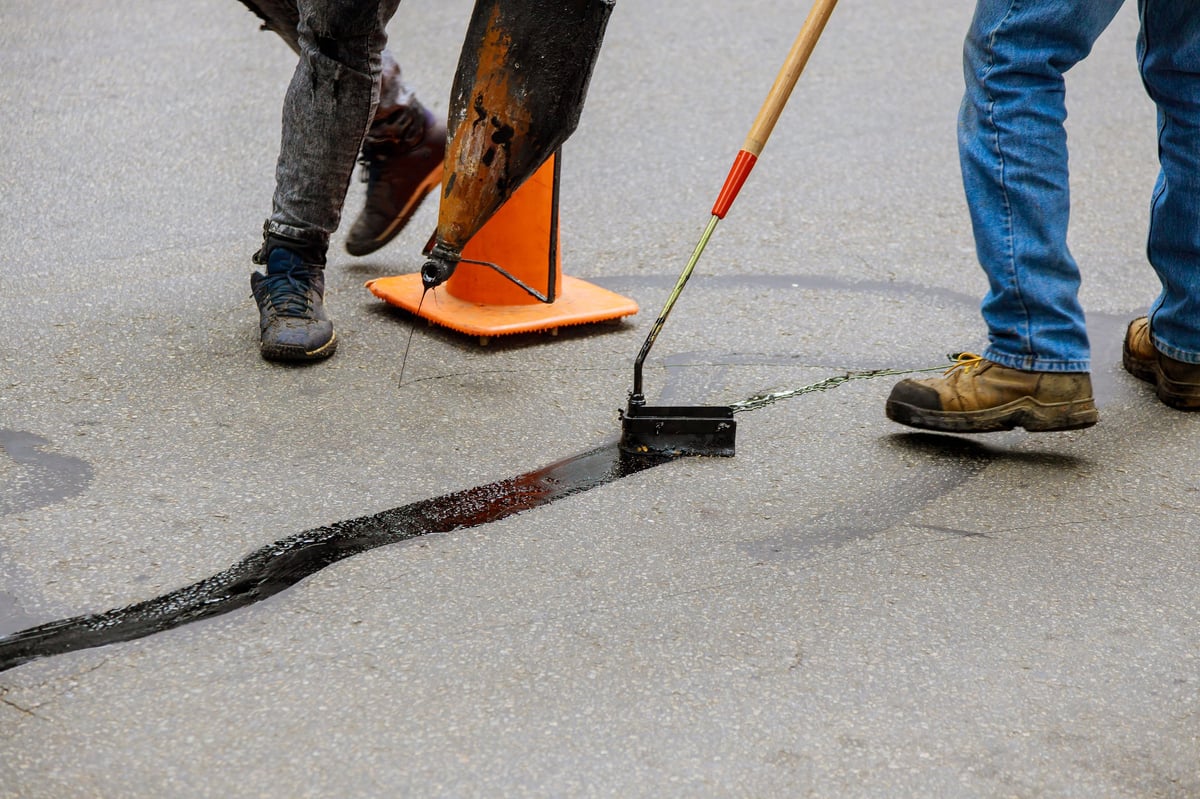
- Small cracks (hairline): Cracks less than ¼-inch wide can be filled and sealed before they expand into major damage.
- Water beading: If water no longer beads on your driveway surface, the protective oils are depleted.
- Age: If it's been more than 3 years since the last sealcoat application, it's time.
DIY vs. Professional Sealcoating
Homeowners often wonder whether to tackle sealcoating themselves or hire a professional asphalt contractor in Central Texas. Here's an honest comparison:
| Factor | DIY Sealcoating | Professional Sealcoating |
|---|---|---|
| Material Quality | Lower-grade, often watered-down emulsions from big-box stores | Commercial-grade, high-solids content sealer formulated for Texas conditions |
| Application Method | Roller or squeegee — uneven coverage, thin spots | Commercial spray system — even coverage, proper thickness |
| Surface Preparation | Basic sweeping and maybe pressure washing | Thorough cleaning, crack filling, oil spot treatment, edge trimming |
| Crack Repair | Often skipped or done poorly | Hot rubber crack filler properly applied before sealing |
| Cure Time | Longer due to thicker hand-applied coats | Faster, more predictable cure times |
| Lifespan | 1–2 years before reapplication needed | 2–3 years with proper maintenance |
The bottom line: While DIY sealcoating can save money upfront, the inferior materials, uneven application, and lack of proper prep work often mean you'll be redoing it twice as often — and it won't protect your asphalt as well in the meantime. For most Central Texas homeowners and businesses, professional sealcoating delivers better value over the life of the pavement.